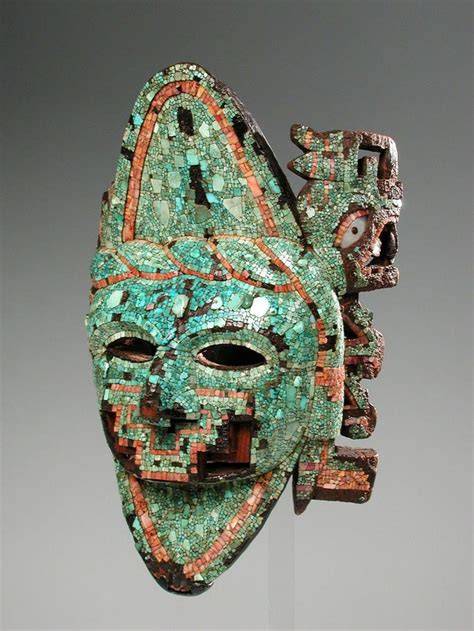
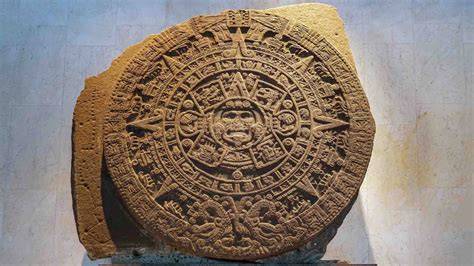
Azteca Mexico, also known as the Aztec Empire, was a powerful and sophisticated civilization that thrived in central Mexico from the 14th to the 16th century. The Aztecs, with their capital city Tenochtitlan, were renowned for their advanced agricultural practices, complex social structure, and remarkable artistic achievements.
The Aztec civilization was characterized by its well-organized political system, led by an emperor who held considerable religious and political authority. The society was divided into distinct classes, with the emperor and nobles at the top, followed by skilled artisans, traders, and farmers. This hierarchical structure facilitated efficient governance and resource distribution.
One of the most notable aspects of Aztec culture was their unique religious beliefs. They worshiped a pantheon of gods and goddesses, with Huitzilopochtli, the sun god and god of war, being one of the central deities. Human sacrifice played a significant role in their religious rituals, believed to appease the gods and ensure prosperity for their civilization.
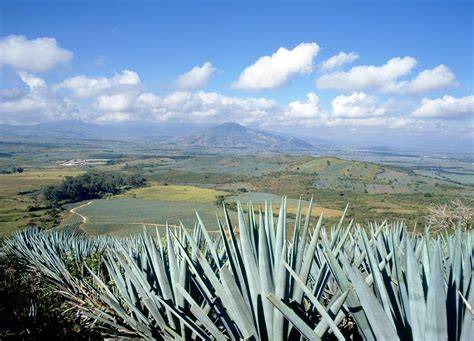
Azteca Mexico was also famous for its exceptional architectural feats. The city of Tenochtitlan was a marvel with intricate temples, grand pyramids, and vast causeways. The Aztecs were skilled engineers, constructing elaborate irrigation systems to support their agriculture and managing their scarce resources effectively.
The Aztec civilization met its downfall with the arrival of Spanish conquistadors, led by Hernán Cortés, in the early 16th century. After a series of conflicts, Tenochtitlan fell to the Spanish in 1521, marking the end of Aztec rule in Mexico and the beginning of Spanish colonial dominance in the region.